Funny Chicken Clipart: A Practical Guide for Creators and Crafters
The appeal of rustic charm and whimsical farm aesthetics has never been stronger in the world of digital design and handmade goods. At the center of this trend is the Funny Chicken, a design element that bridges the gap between professional polish and playful personality. Whether you are a small business owner launching a new line of sublimation products, a teacher creating classroom materials, or a hobbyist looking to personalize home decor, understanding how to effectively utilize this type of clipart is essential for achieving high-quality results.
However, many creators overlook critical technical and legal details when incorporating these assets into their workflows. This oversight often leads to poor print quality, copyright issues, or designs that fail to resonate with the intended audience. By addressing common pitfalls early, you can ensure your projects stand out for the right reasons.
Understanding the Versatility of Kawaii Farm Designs
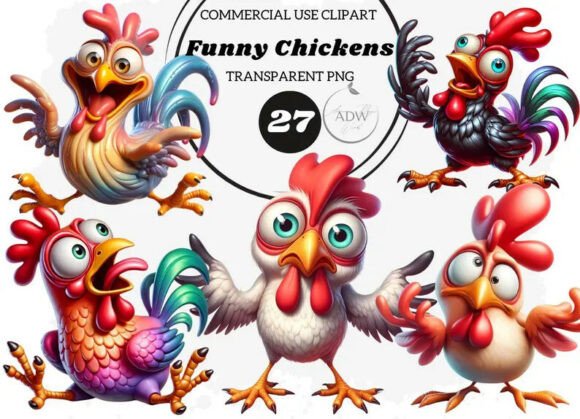
A Funny Chicken illustration is more than just a cartoon bird; it is a versatile asset designed to evoke joy and nostalgia. Typically featuring a cute kawaii style with exaggerated features and silly expressions, these graphics are engineered to appeal to a broad demographic. They work exceptionally well for chicken moms, farmhouse enthusiasts, and anyone who appreciates humorous, lighthearted art.
The primary value of these designs lies in their adaptability. A single high-quality PNG file can be transformed into stickers, t-shirts, mugs, kitchen decor, and party invitations. The key is recognizing that the "funny" aspect does not mean "low effort." On the contrary, successful integration requires a keen eye for composition and an understanding of how the playful vibe complements the final product. For instance, a quirky chicken on a rustic wooden sign creates a charming contrast, while the same image on a sleek modern mug might require different color balancing to maintain visual harmony.
Common Mistakes in Selecting and Using Clipart
Even experienced designers can stumble when working with pre-made digital assets. Below are frequent errors that compromise the quality and usability of your creative projects.
Ignoring Resolution and File Format Requirements
One of the most detrimental mistakes is using low-resolution images for physical products. Many beginners download standard JPEGs found via quick web searches, only to find that the image becomes pixelated when printed on a t-shirt or enlarged for a poster. This drastically reduces the perceived value of the item.
The Fix: Always prioritize high-quality PNG files with transparent backgrounds. A transparent background allows you to place the Funny Chicken seamlessly over any color or texture without unsightly white boxes surrounding the illustration. Ensure the resolution is at least 300 DPI (dots per inch) for print-ready projects. For digital-only uses, such as social media graphics, 72 DPI may suffice, but starting with a high-res master file gives you flexibility.
Overlooking Licensing and Commercial Use Rights
Another critical area where creators face consequences is intellectual property. Assuming that an image found online is free for commercial use is a risky strategy that can lead to takedown notices or legal action. Many free clipart sites offer images for personal use only, meaning you cannot sell products featuring those designs.
The Fix: Before downloading, carefully read the license agreement. Look for terms like "commercial use allowed" or "POD (Print on Demand) friendly." If you are purchasing a digital download from a marketplace, verify whether the license covers physical sales, digital templates, or both. Keeping records of your licenses is a best practice for any entrepreneur.
Mismatching Style and Audience
While a silly farm vibe is generally appealing, context matters. Using a overly childish kawaii chicken for a sophisticated rustic wedding invitation might clash with the event's tone. Similarly, placing a bright, neon-colored cartoon on a muted, earthy farmhouse decor piece can look disjointed.
The Fix: Evaluate the color palette and line weight of the illustration. Does it complement your brand colors? If the Funny Chicken is vibrant and bold, pair it with simple, clean typography. If the design is more subdued and sketch-like, it may work better with handwritten fonts and textured backgrounds. Test your design by viewing it in grayscale to check for contrast and balance before finalizing.
Optimizing Your Workflow for Better Results
To maximize the potential of your clipart, consider these practical steps during the design phase.
- Layer Smartly: When using software like Photoshop, Canva, or Cricut Design Space, keep the chicken illustration on a separate layer. This allows you to adjust size, position, and opacity without affecting other elements like text or background patterns.
- Test Print Small: Before committing to a large batch of sublimation prints or stickers, do a test run on a single item. Check for color accuracy, especially if your printer tends to shift hues. Funny chickens often feature bright yellows and oranges, which can sometimes appear muddy if not calibrated correctly.
- Consider the Substrate: The material you are printing on affects the final look. A design that looks crisp on paper might lose detail on fabric. For t-shirts, ensure the lines are thick enough to remain visible after washing. For mugs, avoid placing critical details near the handle or the bottom edge where they might be obscured.
Evaluating Quality Before Purchase or Download
Not all digital downloads are created equal. When browsing for the perfect Funny Chicken clipart, look for specific indicators of quality. High-quality vectors or PNGs will have smooth edges, consistent line weights, and balanced proportions. Avoid images that look blurry even at thumbnail size, as this is a red flag for poor resolution.
Additionally, check the variety in the bundle. A good collection should offer different poses or expressions, allowing you to create cohesive series for product lines. For example, a chicken laughing, a chicken sleeping, and a chicken eating can be used across a range of products to tell a story or create a themed collection.
Final Thoughts on Creative Application
Incorporating a Funny Chicken into your projects is an excellent way to add personality and humor to your creations. By avoiding common technical and legal pitfalls, you ensure that your final products are not only amusing but also professional and durable. Remember that the goal is to enhance the user experience, whether through a cheerful sticker on a laptop or a whimsical mug on a kitchen shelf.
Take the time to select the right files, understand your licensing rights, and tailor the design to your specific medium. With these precautions in place, your farmhouse crafts and sublimation projects will reflect the care and creativity that customers appreciate. Embrace the silly farm vibes, but back them up with solid design practices for lasting success.