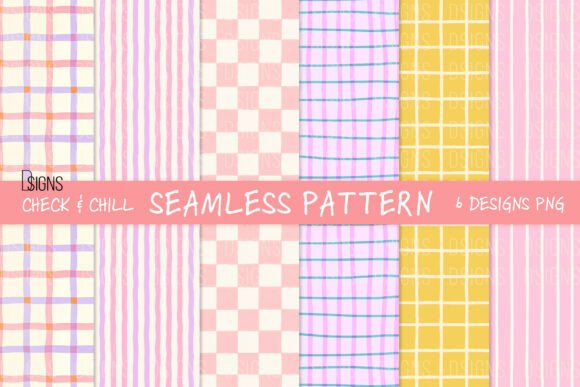
Hand Drawn Background Seamless Pattern
In the rapidly evolving landscape of digital design, there is a persistent and growing demand for assets that feel authentic. While algorithmic precision has its place, it often lacks the warmth and irregularity that connects with human emotion. This is where a hand drawn background seamless pattern becomes an invaluable resource. It bridges the gap between professional polish and organic charm, offering designers, educators, and entrepreneurs a way to infuse their projects with personality without sacrificing usability.
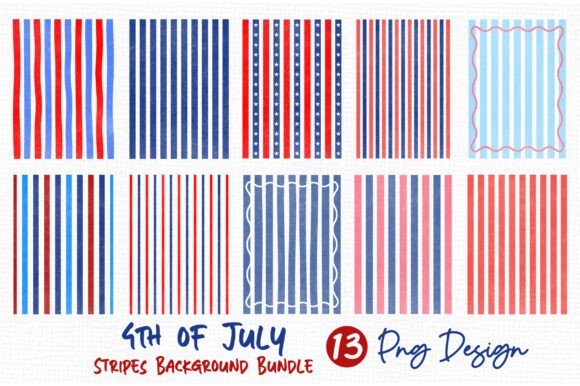
The appeal of these patterns lies in their imperfection. A perfectly straight line can feel cold; a line with a slight wobble suggests a human hand was involved in its creation. When you incorporate elements like hand-drawn grids, checks, and wavy stripes into your work, you are not just adding decoration. You are establishing a tone. Whether you are designing packaging for a small-batch candle brand or creating digital planners for students, the texture of the background sets the stage for the content that follows.
The Power of Pastel and Playful Design
Color psychology plays a critical role in how audiences perceive a brand or a creative project. Pastel tones—soft pinks, muted blues, gentle lavenders, and creamy yellows—are inherently calming. They reduce visual noise, allowing the primary message or product to stand out. A pastel-themed seamless pattern pack offers a versatile foundation because it does not compete for attention. Instead, it supports.
Consider the application of these colors in digital scrapbooking or journaling. Users often spend hours curating photos and writing reflections. A loud, high-contrast background can cause eye fatigue and distract from the memory being preserved. A soft, hand-drawn check pattern provides structure without rigidity. It guides the eye gently across the page, creating a sense of order that feels inviting rather than restrictive. This balance is difficult to achieve with standard geometric vectors, which is why hand-drawn alternatives are increasingly preferred in lifestyle and wellness niches.
Versatility Across Digital and Print Media
One of the most significant advantages of using high-resolution seamless patterns is their adaptability. The technical specifications matter immensely here. For instance, having files at 3600 x 3600 pixels with 300 DPI ensures that the image remains crisp whether it is viewed on a retina display or printed on heavy cardstock. This dual utility is essential for modern creators who often operate across both digital and physical realms.
- Digital Scrapbooking: Layer these patterns behind photos to add depth. The seamless nature means you can tile them across large canvases without visible breaks, maintaining a continuous aesthetic.
- Printable Paper: From notebook covers to wrapping paper, the repeat pattern ensures that no matter how the paper is cut or folded, the design flows naturally. This is particularly useful for DIY crafters who want professional-looking results at home.
- Sublimation Backgrounds: For those creating custom fabrics or hard goods, the high resolution prevents pixelation. The hand-drawn lines retain their character even when transferred onto textiles or mugs.
- Social Media Content: Use the wavy stripes or grid backgrounds as a base for quote graphics or product announcements. The subtle texture makes static posts more engaging in a feed dominated by flat, solid colors.
For small business owners, this versatility translates to cost efficiency. Instead of hiring a designer for every new asset, you can maintain brand consistency by using a core set of background patterns across your website, email newsletters, and physical packaging. This creates a cohesive visual identity that customers recognize and trust.
Enhancing User Experience in Educational Materials
Educators and publishers are constantly seeking ways to make learning materials more approachable. Text-heavy worksheets or dense instructional guides can be intimidating. Introducing a hand drawn background seamless pattern can soften the visual impact. A faint grid pattern, for example, can help younger students align their handwriting or organize math problems without the harshness of traditional ruled lines.
Furthermore, these patterns can be used to section off information in digital courses or eBooks. By changing the background pattern for different chapters or modules, you create visual cues that help learners navigate the content. A wavy stripe might indicate a reflective exercise, while a check pattern could denote a factual summary. These subtle design choices improve comprehension and retention by breaking up monotony and providing structural context.
Practical Tips for Implementation
To get the most out of your pattern bundle, consider the hierarchy of your design. The background should always remain secondary to the foreground content. Here are some practical recommendations for ensuring clarity and effectiveness:
- Adjust Opacity: If the pattern feels too dominant, lower its opacity in your design software. This allows the texture to show through without overpowering text or images. A transparency level of 10% to 20% is often sufficient to add interest without causing readability issues.
- Contrast Management: Ensure there is enough contrast between your text and the background. If you are using a light pastel pattern, use dark gray or black text. Avoid placing white text directly over light patterns unless you add a solid shape or overlay behind the text to improve legibility.
- Consistent Scaling: When tiling seamless patterns, pay attention to the scale. A pattern that looks balanced on a phone screen might appear cluttered on a large poster. Test your designs at actual size before finalizing. The 12 x 12 inch format is a standard starting point, but always preview how the repeat behaves in your specific layout.
- Layering Techniques: Don’t be afraid to layer multiple patterns. For example, you might use a subtle grid as a base and overlay a sparse scattering of hand-drawn elements. This adds complexity and uniqueness to your designs, making them feel bespoke rather than template-based.
Fostering Creativity Through Constraints
Paradoxically, having a predefined set of assets can boost creativity. When you are faced with a blank canvas, the possibilities are infinite, which can lead to decision paralysis. A curated bundle of six high-quality PNGs provides a starting point. It gives you boundaries within which to innovate. You know the color palette works together; you know the styles are compatible. This frees up mental energy to focus on composition, messaging, and storytelling.
For freelancers and agencies, this efficiency is crucial. It allows for faster turnaround times on client projects without compromising quality. You can quickly mock up concepts using these backgrounds to present ideas to clients. If they approve the direction, you can refine the details. If not, you have lost minimal time. This agile approach is highly valued in fast-paced marketing environments.
Building a Cohesive Brand Aesthetic
Consistency is key to building a recognizable brand. Using a consistent set of background patterns across all touchpoints reinforces your visual identity. Whether a customer sees your Instagram post, receives your packaged product, or reads your blog, the recurring motif of hand-drawn checks or waves creates a subconscious association with your brand. It signals attention to detail and a commitment to a specific aesthetic.
This is particularly effective for brands targeting demographics that value authenticity and craftsmanship. The hand-drawn element suggests care and intentionality. It differentiates you from competitors who rely on generic stock photography or sterile corporate templates. In a crowded marketplace, these small distinctions can be the deciding factor for consumers choosing between similar products or services.
Ultimately, integrating a hand drawn background seamless pattern into your workflow is about more than just aesthetics. It is a strategic choice that enhances usability, supports brand identity, and fosters a connection with your audience. By leveraging these versatile assets, you can create designs that are not only visually appealing but also functionally effective and emotionally resonant. Whether you are a seasoned designer or a hobbyist exploring new creative avenues, these tools offer a reliable foundation for bringing your ideas to life with clarity and charm.