Vintage Food Words Ephemera for Crafters
In the world of digital design and handmade crafts, texture and nostalgia are powerful tools. They transform a simple project into something that feels lived-in, authentic, and warm. This is where Vintage Food Words Ephemera shines. Unlike a traditional typeface that you install on your computer to type out new sentences, this collection offers pre-designed, distressed typographic elements that capture the essence of early 20th-century advertising, grocery labels, and bakery signage. It is a curated library of visual history, perfect for creators who want to bypass the time-consuming process of aging text manually.
The appeal of these assets lies in their imperfection. Each word carries the visual weight of age—faded ink, paper grain, and slight misalignments that mimic the printing techniques of the past. For designers, marketers, and hobbyists, this means instant authenticity. You are not just adding text; you are adding a layer of storytelling. Whether you are building a brand identity for an artisanal bakery or creating a junk journal page about family recipes, these elements provide the rustic, antique aesthetic that modern, clean fonts simply cannot replicate on their own.
Understanding the Visual Language of Retro Typography
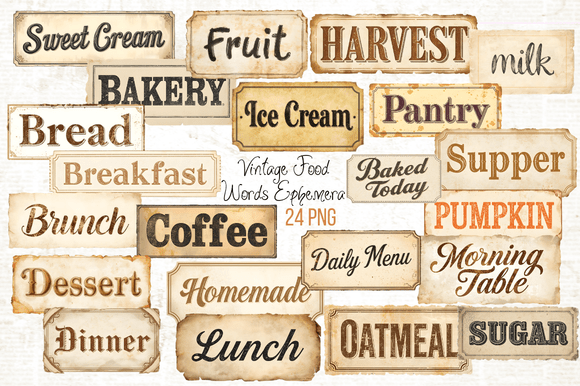
To use these assets effectively, it helps to understand what makes them visually distinct. Vintage Food Words Ephemera is not a single font style but a collage of various typographic traditions. You will find bold, slab-serif headers reminiscent of old market signs, delicate script fonts that echo handwritten price tags, and condensed sans serif labels typical of vintage packaging. The common thread is the "distressed" treatment. The edges are soft, the opacity varies, and there is often a subtle noise overlay that simulates the look of letterpress printing on rough paper.
This specific aesthetic serves a functional purpose in design. In editorial design or packaging design, clean, vector-perfect lines can sometimes feel sterile or cold. By introducing these distressed elements, you break up the uniformity. It creates a tactile quality that invites the viewer to look closer. For brand identity, this signals heritage and craftsmanship. It suggests that the product or content is rooted in tradition, even if the business itself is new. This is particularly effective in the food industry, where consumers often associate rustic visuals with organic, homemade, or high-quality ingredients.
When evaluating these assets for your projects, consider the hierarchy. The bolder, heavier words work best as focal points—titles on a T-shirt, headers in a planner, or main labels on a gift jar. The lighter, script-based elements serve beautifully as accents or secondary information. Because these are provided as PNG files with transparent backgrounds at 300 DPI, they are ready to drop into any composition without needing complex masking or color correction. This resolution ensures that whether you are printing a small sticker or a large poster, the details remain crisp and the distressing looks intentional rather than pixelated.
Practical Applications Across Creative Projects
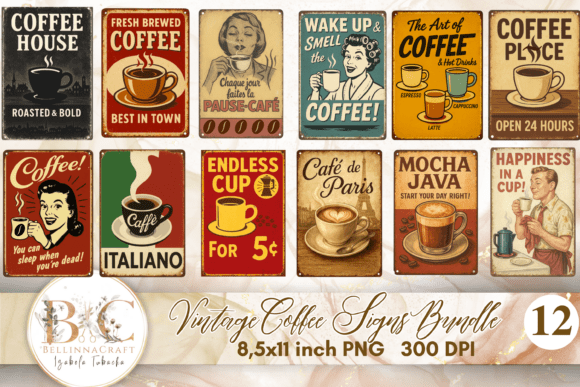
The versatility of this collection extends far beyond simple decoration. For small business owners and entrepreneurs, these graphics are invaluable for creating cohesive marketing materials. Imagine a local coffee shop launching a new seasonal blend. Using vintage grocery signs as part of their social media graphics can create a nostalgic mood that resonates with customers seeking comfort. Similarly, for web design, these elements can be used as hero image overlays or section dividers to add character to a otherwise minimal layout.
For crafters and hobbyists, the possibilities are endless. Sublimation printing has surged in popularity, and these high-resolution PNGs are ideal for transferring designs onto tote bags, aprons, and kitchen towels. The transparent background means you can layer multiple words to create custom phrases without worrying about white boxes appearing around the text. In scrapbooking and junk journaling, these ephemera pieces act as perfect anchors. They can be tucked behind photos, used as title cards for recipe pages, or layered with dried flowers and washi tape to create depth.
Gift wrapping is another area where these assets excel. Instead of buying generic tags, you can print these vintage labels on cardstock, cut them out, and attach them to jars of homemade jam, baked goods, or holiday treats. This personal touch elevates the perceived value of the gift. For planners and stationery lovers, incorporating these words into weekly spreads adds a thematic element that can make routine planning feel more like a creative exercise. The key is to mix and match. Combine a bold "Bakery" label with a delicate script "Fresh" to create contrast and visual interest.
Strategic Design Tips for Maximum Impact
While these assets are ready to use, thoughtful integration will yield the best results. One common mistake is overusing distressed elements. If every piece of text on a page is weathered, the design can become noisy and hard to read. Use Vintage Food Words Ephemera as the star, and pair it with clean, modern typography for body text or informational details. This contrast enhances readability and ensures that the vintage elements stand out rather than blend into a wall of texture.
Color plays a crucial role in maintaining the vintage illusion. While these PNGs are likely black or dark gray, consider adjusting the hue in your design software to match your palette. A deep navy, olive green, or burnt orange can enhance the retro feel more effectively than stark black. Additionally, pay attention to scale. Some words may need to be resized to fit your layout. Because they are raster images (PNGs), avoid enlarging them beyond their original dimensions too much, as this can lead to blurriness. Always check the clarity at 100% zoom before finalizing your print file.
Licensing is another critical consideration. Since this is an instant download for digital assets, ensure you understand the terms for commercial use. Most creators allow these files to be used in end-products like T-shirts or mugs for sale, but reselling the digital files themselves is typically prohibited. Always read the specific license included with your download. This protects both you and the creator, ensuring a fair and professional exchange.
Finally, think about context. These words evoke a specific era and atmosphere. They work beautifully for farmhouse kitchen decor, cottagecore aesthetics, and heirloom recipe projects. However, they might feel out of place in a ultra-modern, tech-focused brand identity unless used ironically or sparingly. Understanding the emotional resonance of your audience helps you decide when to deploy these nostalgic triggers. When used correctly, they do more than decorate; they connect. They remind viewers of slower times, family gatherings, and the simple pleasure of good food, making your design not just seen, but felt.
By integrating these vintage elements thoughtfully, you elevate your work from standard to standout. Whether you are a graphic designer looking for unique collage elements or a crafter wanting to add a personal touch to your gifts, this collection offers a rich resource for creative expression. Happy creating, and may your projects be filled with the warmth and charm of days gone by.